

The Ultimate Guide to Electric Mountain Bikes: Everything You Need to Know
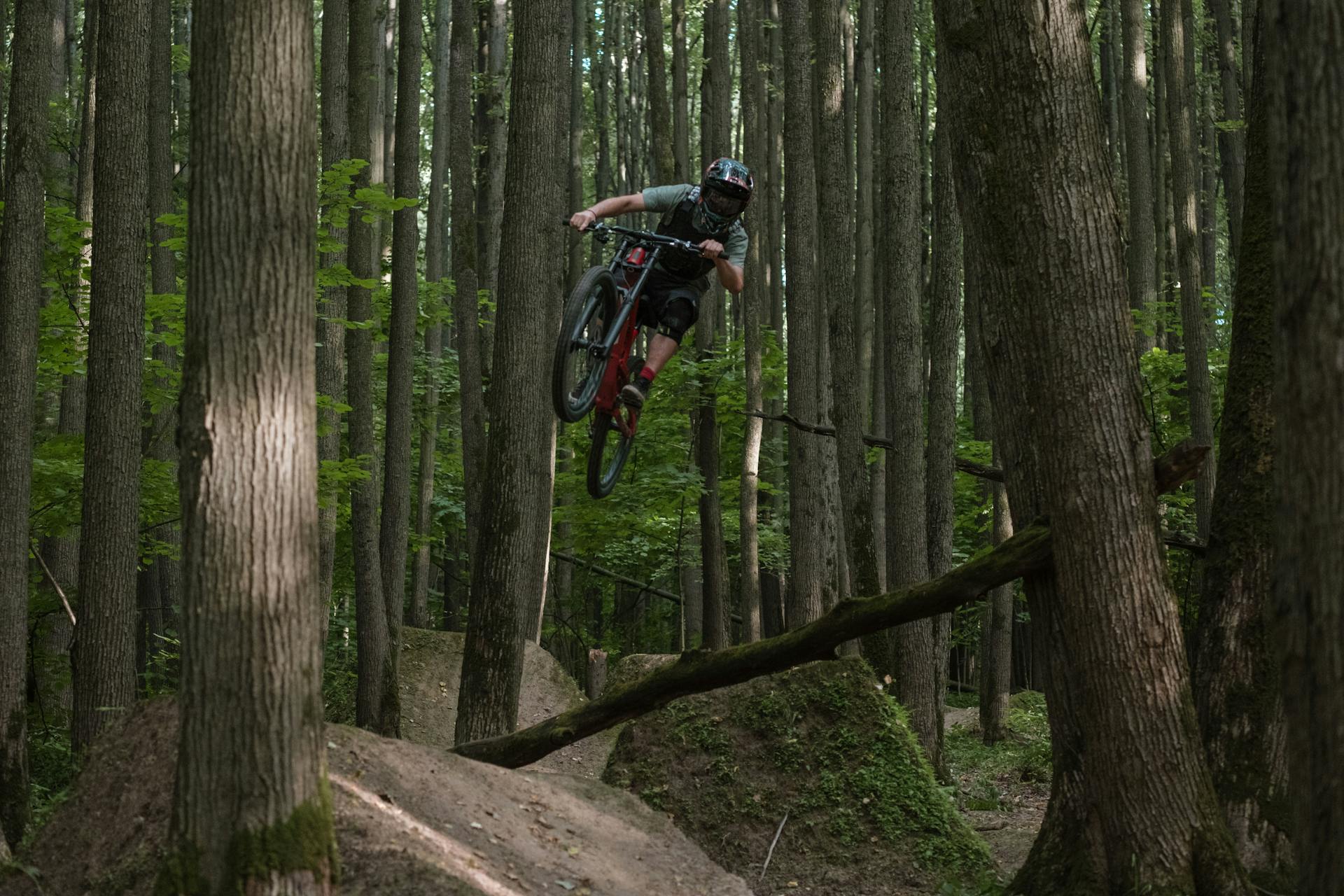
Electric mountain bikes (e-MTBs) are transforming the world of off-road cycling, offering riders an exciting blend of power, endurance, and adventure. With the help of a small motor and battery, e-MTBs provide pedal assistance that makes tough climbs easier and long rides more accessible. Whether you’re a seasoned mountain biker looking to extend your range or a beginner eager to explore challenging trails, e-MTBs offer a thrilling way to experience the great outdoors. In this guide, we’ll dive into what makes electric mountain bikes unique, how they work, and how to choose the right one.
What is an Electric Mountain Bike?
An electric mountain bike, or e-MTB, is a mountain bike equipped with an electric motor and battery that provide pedal assistance. Unlike motorcycles, the motor on an e-MTB doesn’t replace pedaling—it enhances it, giving riders a boost when they need it, especially on climbs or technical sections. This makes e-MTBs perfect for longer rides, steep inclines, and tough trails that might otherwise be too challenging for some riders.
The pedal-assist system (PAS) on e-MTBs is usually adjustable, allowing you to control the level of assistance you get based on the terrain or your own energy levels.
Key Features of an Electric Mountain Bike
- Electric Motor
The heart of an e-MTB is its electric motor, typically located either in the crank (mid-drive motor) or in one of the wheels (hub-drive motor). Mid-drive motors are more common in high-quality e-MTBs because they offer better weight distribution and more natural power delivery. These motors provide a boost when pedaling, helping you climb steep trails with ease. - Battery
The battery powers the motor and is usually mounted on the frame or integrated into it. Battery capacity is measured in watt-hours (Wh), and most e-MTBs have a capacity of 400-700 Wh, offering a range of 20-50 miles, depending on the terrain and the level of assistance used. Some high-end models offer removable batteries for easy charging or extended range options. - Pedal Assistance Modes
Most e-MTBs come with multiple levels of pedal assist, allowing riders to choose how much power they want from the motor. These modes typically include:- Eco Mode: Provides minimal assistance for longer battery life.
- Trail Mode: Offers balanced assistance for varied terrain.
- Boost Mode: Maximum assistance for steep climbs or difficult trails.
- Suspension
Like traditional mountain bikes, e-MTBs come with a range of suspension options to handle rough terrain. You can choose between hardtail (front suspension only) or full suspension (front and rear), depending on the type of trails you’ll be riding. - Durable Frame
Since e-MTBs are heavier due to the motor and battery, their frames are built to be more durable and robust. Most frames are made from aluminum or carbon fiber to balance strength and weight. - Wide Tires
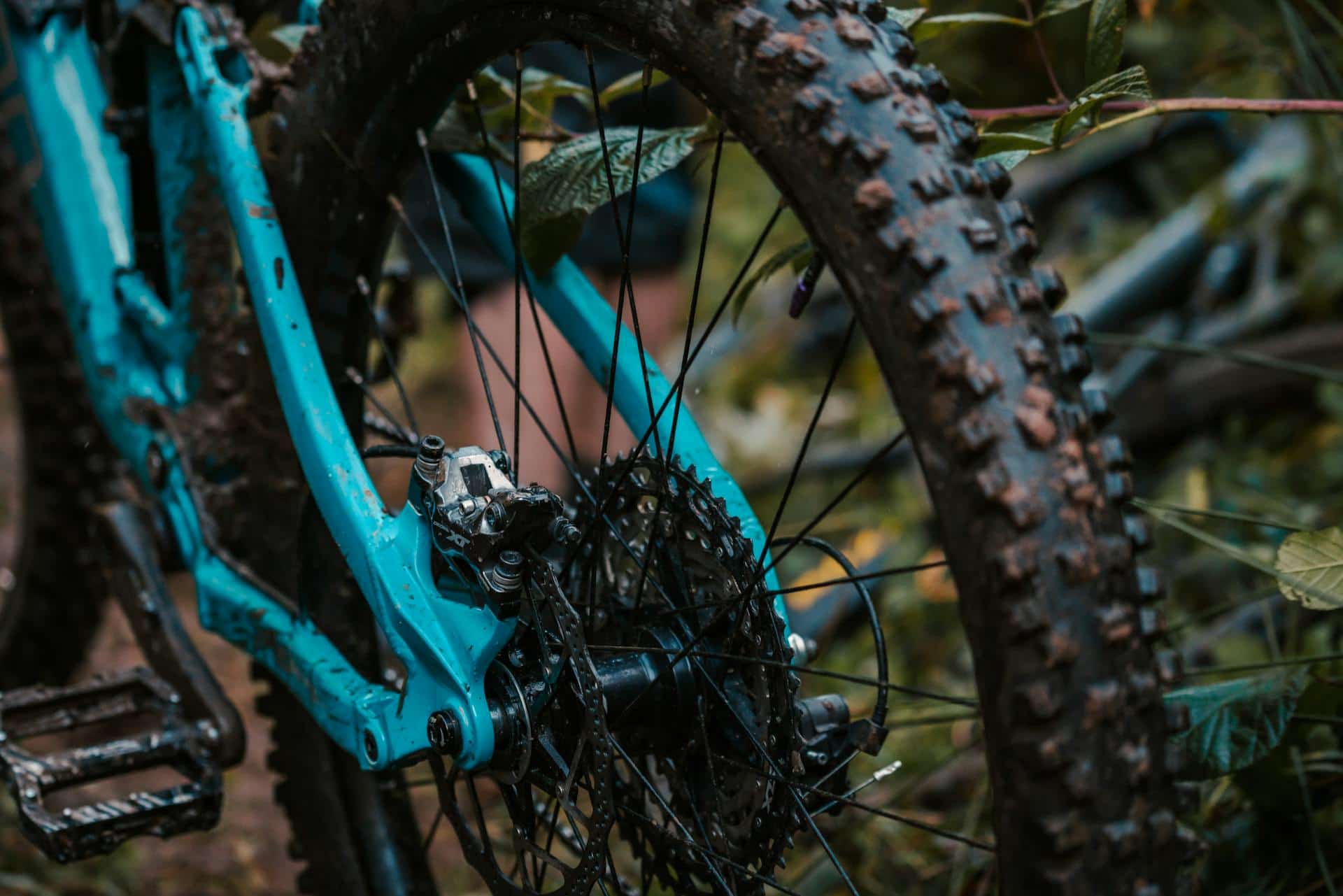
e-MTBs come with wide, knobby tires to provide extra traction and stability on loose, uneven terrain. Tire widths typically range from 2.6” to 3.0”, offering a comfortable ride with plenty of grip, especially on steep or rocky trails. - Hydraulic Disc Brakes
The added speed and weight of an e-MTB require powerful braking. Hydraulic disc brakes are standard on e-MTBs, providing reliable stopping power in all weather conditions and on steep descents.
Types of Electric Mountain Bikes
- Trail e-MTBs
Trail e-MTBs are the most versatile type, designed for a mix of climbing, descending, and tackling technical trails. They usually come with full suspension and offer a moderate amount of travel (120-150mm) to absorb impacts from rocks and roots. These bikes are great for riders who want a do-it-all e-MTB for both casual and challenging rides. - Enduro e-MTBs
Enduro e-MTBs are built for aggressive downhill riding, with long suspension travel (150-180mm) to handle steep descents, jumps, and rough terrain. They’re still capable climbers thanks to their electric motor, but their primary focus is downhill performance. Enduro e-MTBs are ideal for advanced riders who want to tackle the most challenging trails. - Cross-Country (XC) e-MTBs
XC e-MTBs are designed for speed and efficiency on smoother trails and long-distance rides. They typically have less suspension travel (100-120mm) and a lighter frame, making them ideal for riders who want to cover more ground with less focus on technical descents. - Fat Tire e-MTBs
Fat tire e-MTBs are equipped with oversized tires, often 4 inches or more in width, designed for riding on soft surfaces like snow, sand, or mud. The extra tire width provides incredible stability and grip, making them perfect for extreme terrain where standard tires might struggle. - Electric Downhill Bikes
Designed purely for descending, electric downhill bikes have extra-long travel (180-200mm) and a robust build for tackling extreme downhill tracks. While they are less versatile for climbing, the electric motor allows you to access the trails without the need for a lift or shuttle.
Benefits of Electric Mountain Bikes
- Easier Climbs: The electric motor helps you conquer steep climbs with less effort, allowing you to reach the top without exhausting yourself.
- Longer Rides: With pedal assistance, you can cover more ground and ride for longer periods, making it easier to explore new trails and go on extended adventures.
- Accessibility: e-MTBs make mountain biking accessible to a wider range of people, including those who may not have the endurance or strength for long or steep rides.
- Fun Factor: The extra boost from the motor adds a thrilling element to riding, especially on fast sections and tough climbs.
- More Exploration: With an e-MTB, you can explore more remote areas and take on trails that might have been too difficult to tackle on a traditional mountain bike.
How to Choose the Right Electric Mountain Bike
- Motor Power: Most e-MTBs come with motors ranging from 250W to 750W. For trail riding, a 250W motor is typically sufficient, but if you’re looking for more power or plan to ride steep, challenging trails, a higher wattage motor may be beneficial.
- Battery Capacity: Consider how far you want to ride on a single charge. If you’re planning long rides or tackling hilly terrain, look for a bike with a higher-capacity battery (500Wh or more) to ensure you don’t run out of juice mid-ride.
- Suspension: Decide between a hardtail or full suspension based on the type of terrain you’ll be riding. For smoother trails, a hardtail might be enough, but for rough, technical trails, full suspension is essential for comfort and control.
- Weight: e-MTBs are heavier than traditional mountain bikes due to the motor and battery, so consider the bike’s overall weight and how easy it is to handle, especially on technical sections.
- Range and Terrain: Think about the type of terrain you’ll be riding most frequently. If you ride technical trails, look for a bike with more travel and a robust frame. If you prefer long-distance riding, focus on battery life and efficiency.
- Budget: e-MTBs tend to be more expensive than traditional mountain bikes due to their advanced technology. Set a budget that works for you and find the best bike that fits your needs within that price range.
Final Thoughts
Electric mountain bikes are a game-changer for anyone who loves off-road cycling but wants a little extra help on tough climbs and long rides. Whether you’re looking to push your limits, explore new trails, or simply enjoy more time outdoors, an e-MTB offers a unique, thrilling experience. With the ability to tackle steep inclines, rocky descents, and long distances with ease, electric mountain bikes open up a world of adventure that’s more accessible than ever before.
Happy riding!
