

The Ultimate Guide to Mountain Bikes: What You Need to Know
Mountain bikes (MTBs) are the go-to choice for cyclists who love the thrill of off-road adventures. Designed to tackle rough terrains, steep climbs, and technical descents, mountain bikes are built for durability and performance. In this guide, we’ll explore everything you need to know about mountain bikes, from their unique features to the different types available.
What is a Mountain Bike?
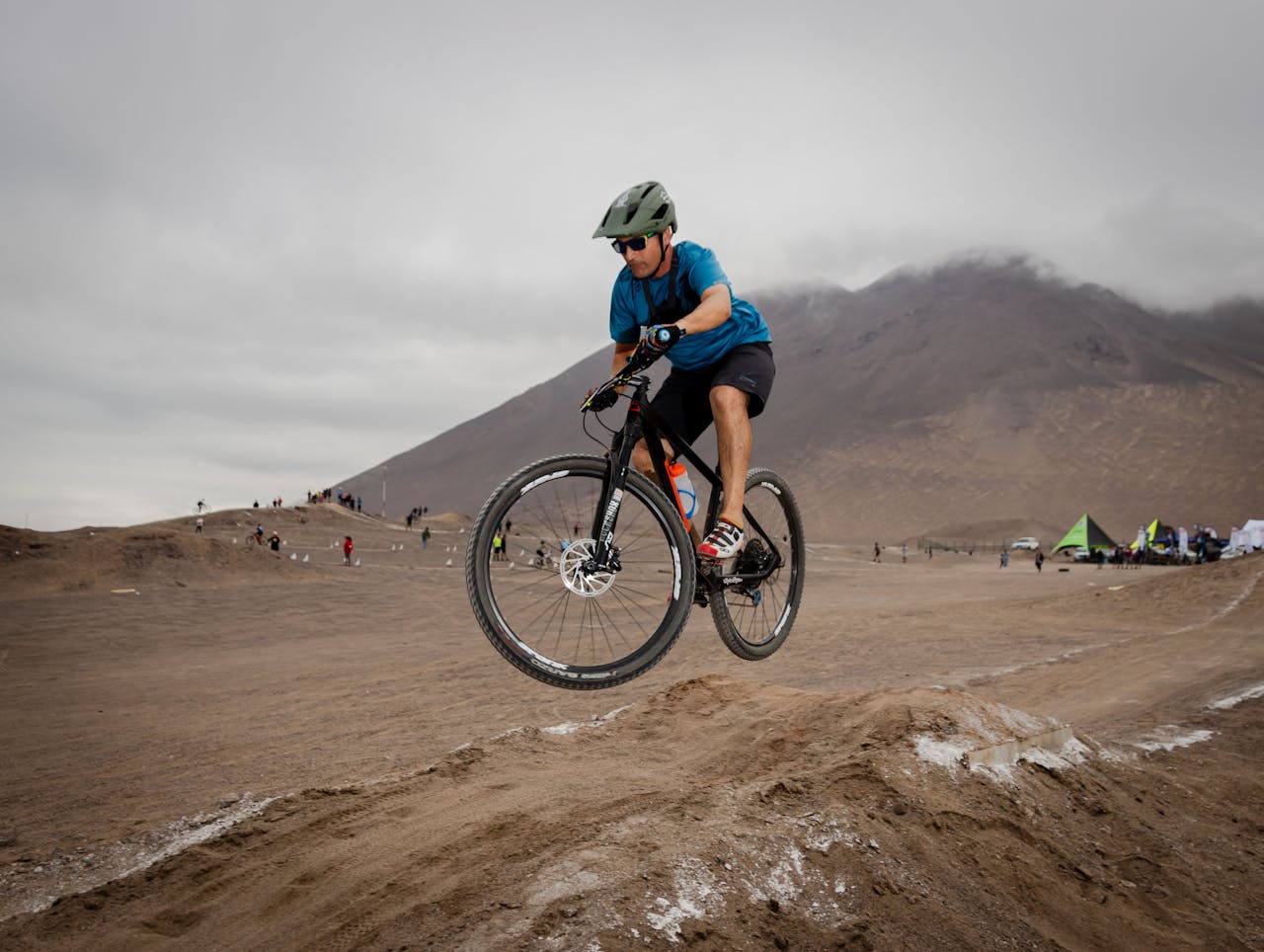
A mountain bike is specifically designed for off-road cycling on rough, uneven terrains like dirt trails, rocky paths, and forested areas. Unlike road bikes, mountain bikes have wider, knobby tires, a sturdier frame, and suspension systems to handle the challenges of unpredictable terrain. Mountain biking is not just about speed; it’s about control, endurance, and the ability to navigate obstacles.
Key Features of a Mountain Bike
- Suspension
One of the defining features of a mountain bike is its suspension system. There are three main types:- Hardtail: These bikes have suspension only in the front fork, which helps absorb impacts from rough terrain. Hardtails are lighter and more efficient on climbs, making them great for cross-country (XC) riding.
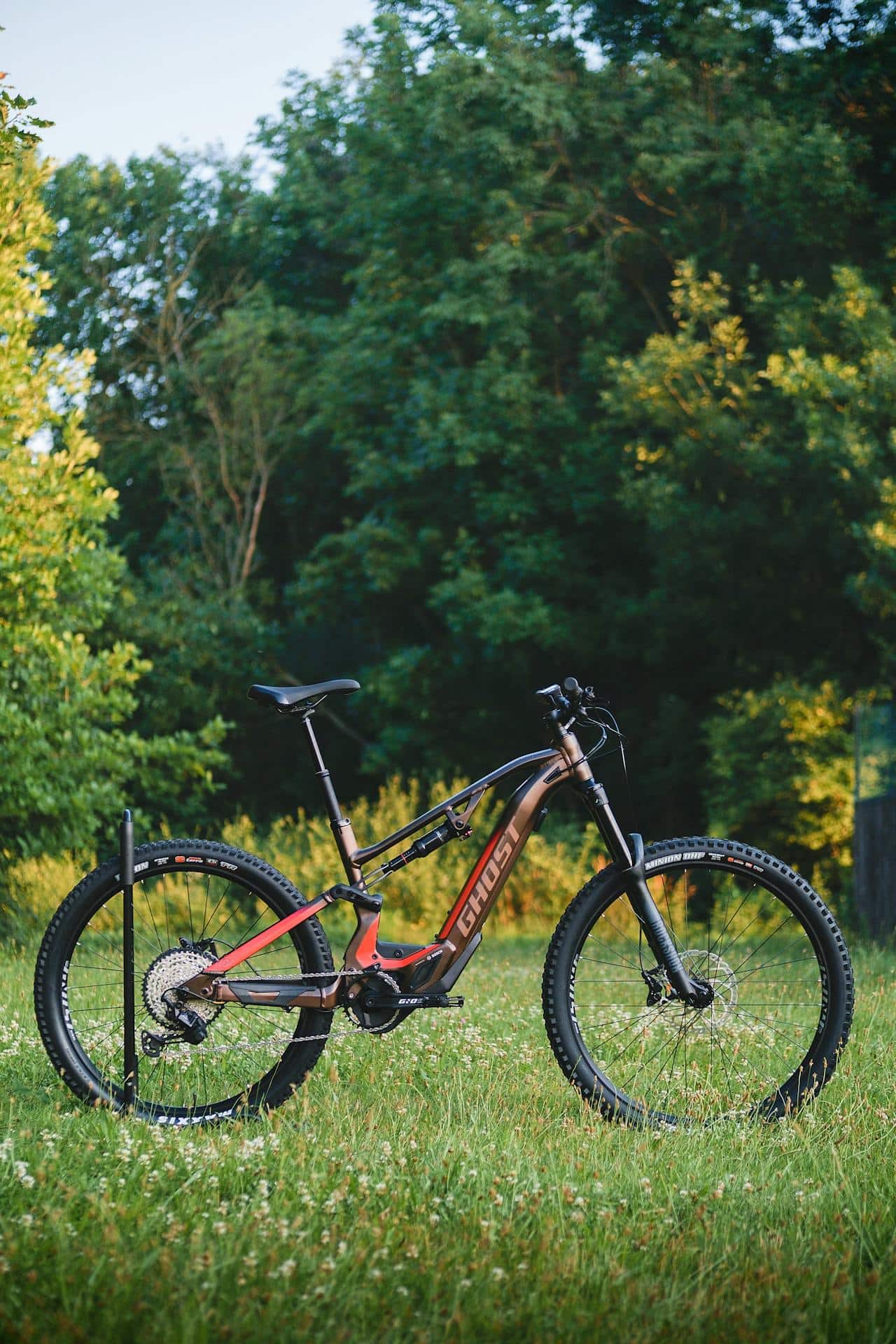
- Full Suspension: These bikes have both front and rear suspension, providing greater comfort and control on technical descents and rough trails.
- Rigid: Rarely seen in mountain biking today, rigid bikes have no suspension at all. They are light and require more skill to navigate tough terrain but are favored by some for their simplicity and lower maintenance needs.
- Knobby Tires
Mountain bikes have wide, knobby tires that offer maximum grip and traction on loose surfaces like dirt, mud, and rocks. The tires are typically wider than those on road bikes, providing stability on uneven ground. - Durable Frame
Mountain bike frames are usually made from aluminum, carbon fiber, or steel. These materials are chosen for their strength and ability to withstand the impacts and stresses of off-road riding. Carbon fiber frames are lighter and more expensive, while aluminum and steel offer greater affordability and durability. - Wide Gear Range
Mountain bikes have a wide range of gears to help cyclists handle steep climbs and fast descents. Modern MTBs often feature single-chainring drivetrains (1x) with 10 to 12 gears on the rear cassette, simplifying shifting while maintaining versatility across different gradients. - Powerful Brakes
Disc brakes, either hydraulic or mechanical, are standard on most mountain bikes. These brakes provide strong stopping power in all weather conditions, especially on steep and technical trails. - Flat or Riser Handlebars
Unlike road bikes, mountain bikes have flat or riser handlebars that offer better control and leverage on rough terrain. The wider bars help with stability, especially during technical climbs and descents.
Types of Mountain Bikes
- Cross-Country (XC) Bikes
XC bikes are built for speed and efficiency on smoother trails and rolling terrain. These bikes are lightweight, often with a hardtail design, and are perfect for riders who want to cover long distances and climb quickly. - Trail Bikes
The most versatile type of mountain bike, trail bikes are built to handle a wide range of terrains. They usually have full suspension and are great for riders who enjoy technical descents as much as they do climbs. Trail bikes offer a balance between agility and stability, making them suitable for both beginners and experienced riders. - Enduro Bikes
Enduro bikes are designed for downhill-focused riding, where the primary goal is to descend fast and efficiently. These bikes have more suspension travel (150-180mm) to handle rough trails and big drops but can still climb when necessary. Enduro bikes are ideal for riders who prioritize technical downhill sections but need to pedal uphill occasionally. - Downhill (DH) Bikes
These bikes are built specifically for descending steep, technical trails at high speeds. They have long-travel suspension (180-200mm) and are designed to absorb big impacts from jumps and rough terrain. Downhill bikes are heavier and not ideal for climbing but excel in bike parks and downhill racing. - Fat Bikes
Fat bikes feature extra-wide tires, often 4 inches or more in width, designed for riding on soft surfaces like snow, sand, or loose dirt. These bikes are incredibly stable and fun, making them a good option for riders looking to tackle extreme terrains where standard tires would struggle. - Electric Mountain Bikes (e-MTBs)
e-MTBs are equipped with a small motor and battery to assist riders on climbs or long rides. They make mountain biking accessible to more people, especially those who want to extend their rides or tackle more challenging trails without getting exhausted.
Benefits of Mountain Bikes
- Versatility: Mountain bikes can handle a wide range of terrains, from smooth dirt paths to rugged mountain trails, making them ideal for adventurous riders.
- Durability: Built to withstand the rigors of off-road riding, mountain bikes are incredibly durable and can handle rough conditions.
- Fitness: Mountain biking is an excellent workout, improving cardiovascular health, building muscle strength, and boosting endurance.
- Adventure: Whether you’re tackling steep hills, navigating rocky descents, or exploring forest trails, mountain biking offers a thrilling sense of adventure and freedom.
- Skill Development: Mountain biking enhances technical skills like balance, handling, and obstacle navigation, making it both a mental and physical challenge.
How to Choose the Right Mountain Bike
- Terrain: Consider the type of terrain you’ll be riding on most frequently. If you’re riding on smooth trails, a cross-country or trail bike might be ideal. For more technical, downhill-focused rides, an enduro or downhill bike would be a better fit.
- Suspension: Decide if you need a hardtail or full suspension bike based on the trails you’ll be riding. Hardtails are great for less technical terrain and cross-country riding, while full suspension bikes are perfect for rougher trails and downhill sections.
- Wheel Size: Mountain bikes typically come with either 27.5” or 29” wheels. 29ers are great for rolling over obstacles and are faster on smoother trails, while 27.5” wheels offer more agility and maneuverability on technical trails.
- Budget: Mountain bikes come in a wide range of prices, from entry-level models to high-end performance machines. Set a budget that works for you and focus on finding the best bike within your price range.
- Skill Level: Beginners might prefer more forgiving, trail-oriented bikes, while advanced riders may opt for specialized bikes like enduro or downhill models for more extreme challenges.
Final Thoughts
Mountain biking is one of the most exhilarating and rewarding forms of cycling, offering riders the chance to explore nature, test their skills, and push their limits. With so many different types of mountain bikes available, it’s important to find the one that matches your riding style, terrain, and experience level. Whether you’re cruising through forest trails or shredding down a rocky mountain pass, a well-chosen mountain bike will elevate your adventure to new heights.
Happy riding!
